The Cleanliness Factor In Modern Hospital Furniture
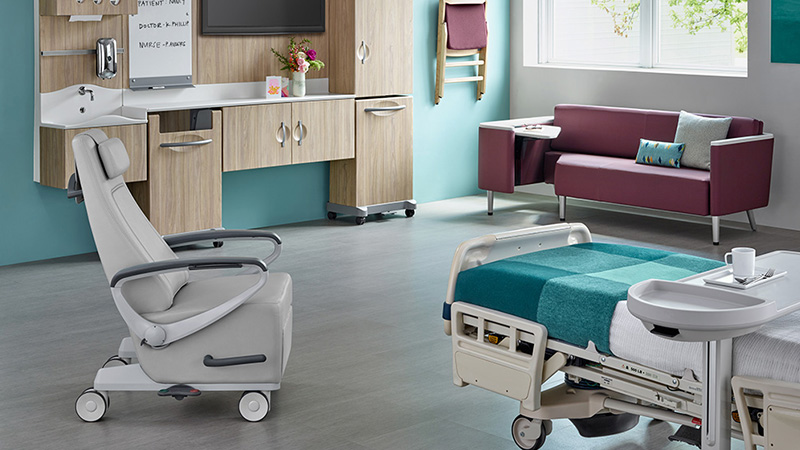
The importance of cleanliness in hospital furniture cannot be overstated. In a place where patients go to receive treatment and recover from illnesses, hygiene is of utmost importance. In recent years, there has been an increased focus on the cleanliness factor in modern hospital furniture design. This includes not only choosing materials that are easy to clean and disinfect, but also incorporating features that streamline cleaning and maintenance.
The fabric trap:
Soft upholstery used in hospital furniture in Dubai looks comfortable but acts like a sponge. Spilled liquids soak deep into cushion fibers, creating damp conditions where bacteria multiply rapidly. Cleaning sprays cannot penetrate these layers effectively. Stains remain visible, eroding patient confidence in facility hygiene. Fluid-resistant fabrics with sealed seams offer a practical solution. These materials wipe clean instantly, removing the breeding ground for germs.
Joints and cracks collect filth:
Furniture with exposed screw holes, decorative gaps, or complex joins creates impossible cleaning challenges. Mops and cloths cannot reach these tiny spaces. Over time, biological matter accumulates in these hidden zones. Testing reveals high bacterial counts in these overlooked spots. Smooth, welded designs eliminate these traps. Simple construction allows staff to sanitize every accessible surface without frustration.
The wooden frame problem:
Wooden furniture expands and contracts with humidity changes. Tiny splits appear over time, providing perfect homes for mold and pathogens. Wood absorbs cleaning chemicals poorly and dries slowly. Metal and high-grade plastics resist moisture penetration and chemical damage. These materials withstand repeated disinfection without breaking down. Choosing non-porous frames eliminates the hidden dangers of organic materials.
Mattress and cushion cores:
Outer covers get cleaned regularly, but what lies beneath? Liquid spills soak through thin covers into foam interiors. These cores cannot be wiped or sprayed effectively. Over months, these damp interiors develop foul odors and microbial colonies. Encased mattresses with waterproof barriers protect internal materials. Sealed cushion systems prevent any liquid penetration, keeping internal components dry and safe.
The daily wear damage:
Scratches from patient movement, nicks from medical equipment, and scrapes from cleaning tools damage protective surfaces. These small wounds expose underlying materials to moisture and contaminants. Damaged finishes cannot be sanitized properly. Durable powder-coated metals and scratch-resistant plastics maintain their protective barriers longer. Investing in robust finishes reduces the need for premature replacement.