The Unique Properties Of Volcanic Black Sand
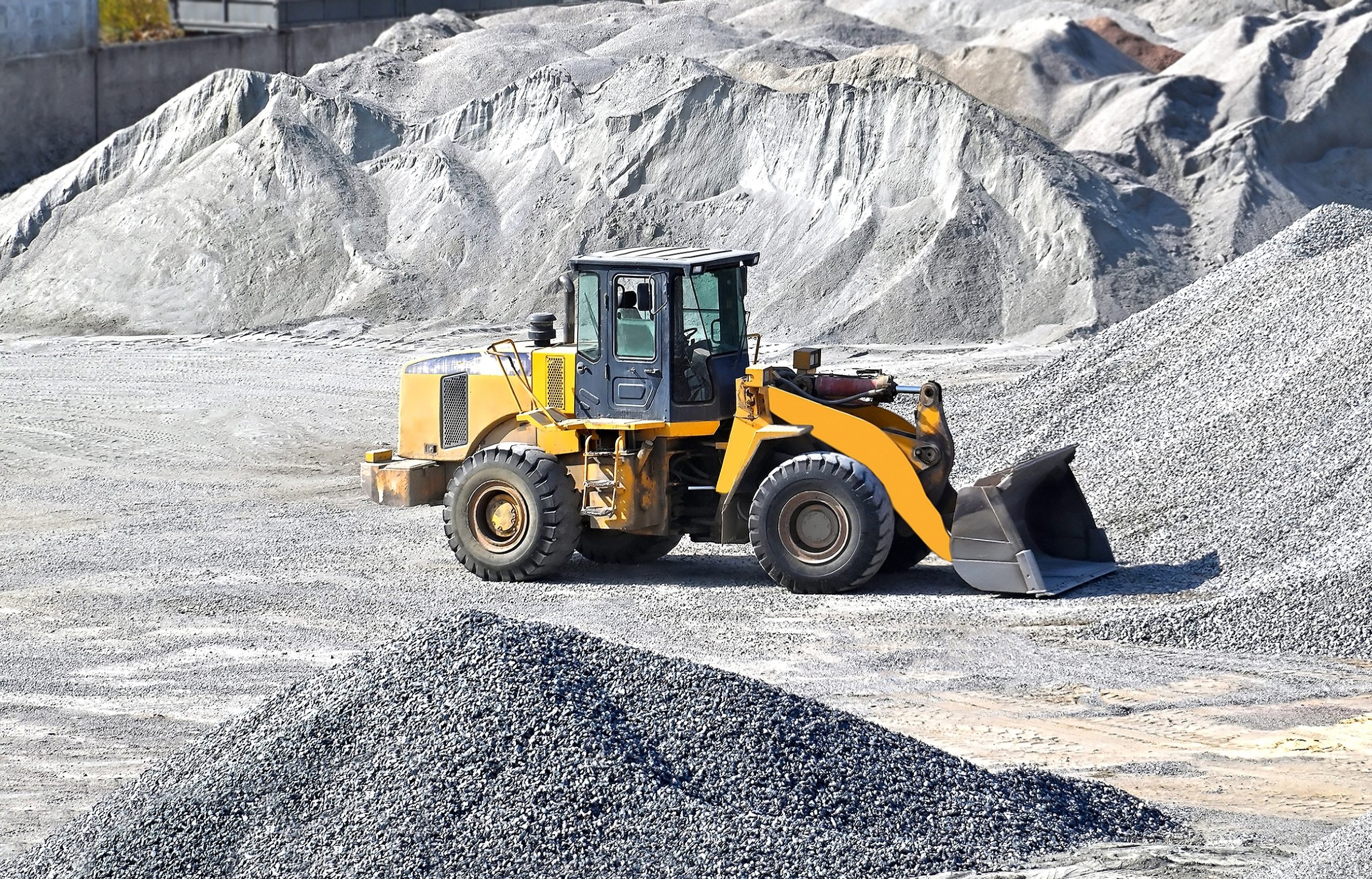
Black sand sits on shores like a shadow of the earth’s fiery past. It feels different under bare feet, heavier, rougher, magnetic. This sand comes from molten rock that exploded from deep volcanoes. Each grain carries a story of extreme heat and sudden cooling.
Builders and artists now prize this material for its unusual traits. Finding a reliable black sand supplier makes any project easier and more successful.
Volcanic origin:
Fire meets water to create this substance. Lava erupts and cools quickly. Rapid cooling prevents crystals from growing large. Instead, glass shards form. These bits break down over time. Waves polish the edges. Each grain keeps a record of geological activity from deep below.
Mineral makeup:
Iron and magnesium define the dark color. These elements give the grains heavy weight. Normal light grains contain quartz, but this volcanic version stays dense. Magnetic particles exist within the mix. Placing a magnet near the surface reveals these tiny metal flecks. This quality sets the material apart from common beach dust.
Thermal absorption:
Dark colors pull in solar energy. These beaches stay warmer compared to pale sand. Heat radiates upward during sunny days. Plants growing nearby adapt to these temperatures. This trait affects how creatures live near the coast. Moisture evaporates quickly from the surface, leaving dry, warm paths.
Unique texture:
Coarse grains offer a rough sensation. Unlike soft, rounded quartz, these shards possess sharp angles. Erosion happens slower for these sturdy rocks. The grit provides great grip for traction. Sculptors use this firmness to create stable art pieces. It holds shape well when damp.
Chemical resistance:
Stability remains a key trait. These volcanic minerals resist chemical breakdown. Weathering acts very slowly on these basalt pieces. They remain dark for centuries. Even salty air does not change the pigment. The grit keeps a consistent appearance regardless of harsh conditions.
Garden utility:
Farmers add these dark grains to soil. Drainage improves with coarse volcanic material. Root systems gain space to expand. Mineral richness aids plant health over time. Nutrients release slowly as particles break down. Soil structure stays loose, preventing compaction. Greenery thrives in these conditions, gaining iron and other vital elements from the grit.